
FAMILY SURF LOG 06
I don’t feel particularly well today, which sucks because the waves are great and I’m stuck inside sick as a dog. At least I have some extra time to write. Being stuck on the couch while good waves roll by has me thinking about what actually makes my “best surfing.” It’s not just the waves. It’s not even necessarily how much I surf. A lot of it comes down to how I feel when I finally get the chance to paddle out.
My best surfing, like most of us, is rarer than I admit to myself. Occasionally, all the holes in the cheese line up and I’m levitating on a peeling, head-high wall of ego liquid, but that’s rare. The everyday surfing is the slog you have to participate in to be rewarded with those fleeting moments of grace. I’ve learned that it’s important to surf when, and where nobody else thinks it’s worth it, and just maybe I get lucky and get some of that gold we’re all chasing.
Part of finding that gold is realizing that, to some extent, it’s a numbers game. The more waves I catch, the higher the chance that I harness the elusive liquid dragon. To increase the numbers, I never rule out small, weak, windy, or crowded conditions on their own. It takes a combination of factors to keep me dry. It’s honestly best to suit up and start looking for what everyone else is overlooking. I like to watch where people are sitting, which waves they’re catching, and which waves they’re consistently missing. The waves they’re missing on the inside, or the far flanks of the outside, are always my go-to unless I feel like fighting over the main peak, and most days I’d rather just keep moving.
A lot of times I’ll choose a starting peak, then take a wave, get into the current, and instead of fighting it, I follow it on my return paddle, making sure I paddle with it to avoid all the people also caught in the drift while not burning myself out. Combining my paddle back out with the drift kills two birds with one stone because it also affords me the privacy and anonymity of constantly moving. This works for me because I’ve always enjoyed covering more ground rather than settling into one spot for an entire session. I like the feeling of exploring a little, figuring out what the ocean is doing, and seeing what I can find away from the obvious spots.
Once I’ve got that rhythm figured out, I’ll often do this whole pick-a-starting-point, follow-the-drift, stick-to-myself routine, get out, and walk back to my point of origin and start over. Having a strategy based on simple intuition and general ocean knowledge seems to yield more waves for me than keeping up with all of surfing’s latest and greatest gizmos and gadgets. Eventually, I often finish by surfing the inside waves as the tide is peaking and the more obvious spots start to get interesting. Then, right about the time people start eyeballing the inside and mulling over whether the pitching shore break is compatible with their skill level, I leave, go home, and spend time with my wife and daughter, knowing that I got what I was looking for that day. I found the waves that suited me, and I’m better off for it.
I’ve learned that most of the time, I don’t need better waves; I just need to be better at selecting from the waves that are on the menu that day. But I’ve also learned that selecting the right waves is only part of the equation. Being in the right condition to surf them matters just as much. How I eat, how much stress I allow into my life, how well I sleep, and what I drink all affect whether I’m actually ready to take advantage of the opportunities I find.
Over the years, I’ve become pretty interested in figuring out what makes me feel good most of the time. Not perfect, not superhuman, just good enough that when the waves show up, I’m actually ready for them. I’m a sucker for sweetened drinks, but I’ve had to cut them back over the years. I’ve found that drinking mostly water, tea, and coffee, along with things lightly sweetened with honey, seems to work better for me. I also feel better when I’m not consuming much added sugar or artificial sweeteners. I recover faster and don’t feel as bloated as often, although I know everyone responds differently.
Soda, energy drinks, and sugary coffee drinks can be appealing when you’re looking for a quick pick-me-up, but I’ve found that they don’t work particularly well for me and do more harm than good. Cutting back on caffeine and processed sugar has also helped me sleep better. Sleep is incredibly important because, without enough of it, you eventually suffer from noodle arms and a variety of other adverse symptoms in and out of the water.
Unfortunately, caffeine and sugar don’t replace sleep. They simply borrow from tomorrow, when you’re lying in bed with your heart racing and unable to get the rest you actually need. I’ve learned that lesson the hard way enough times to take it seriously.
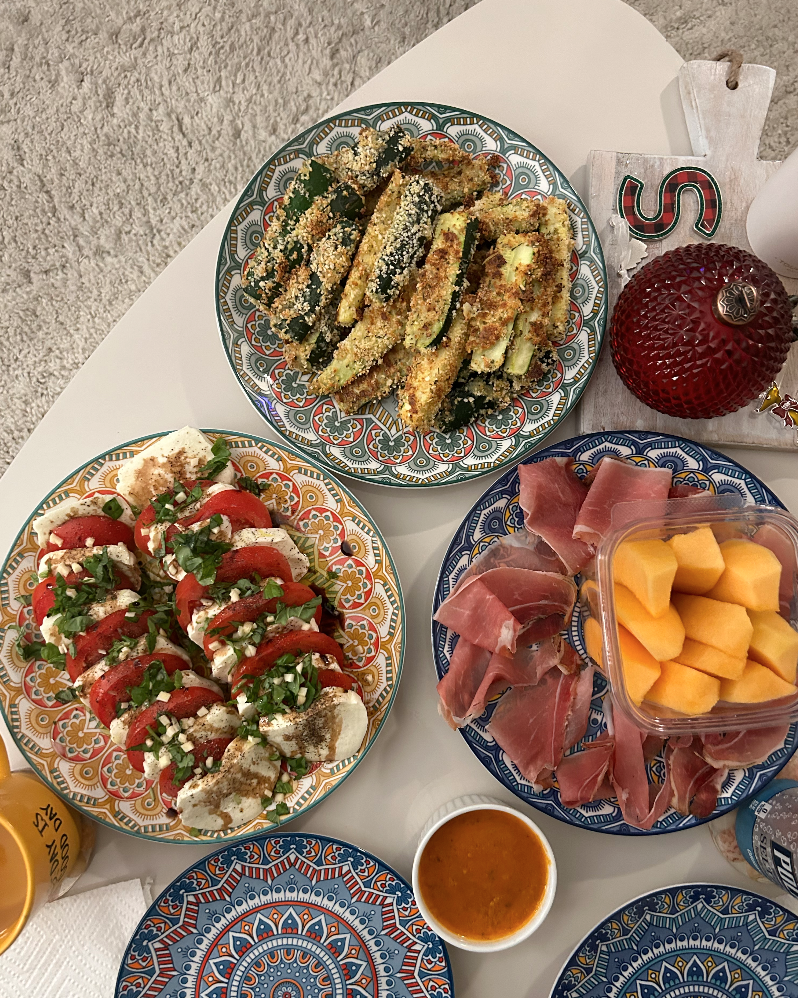
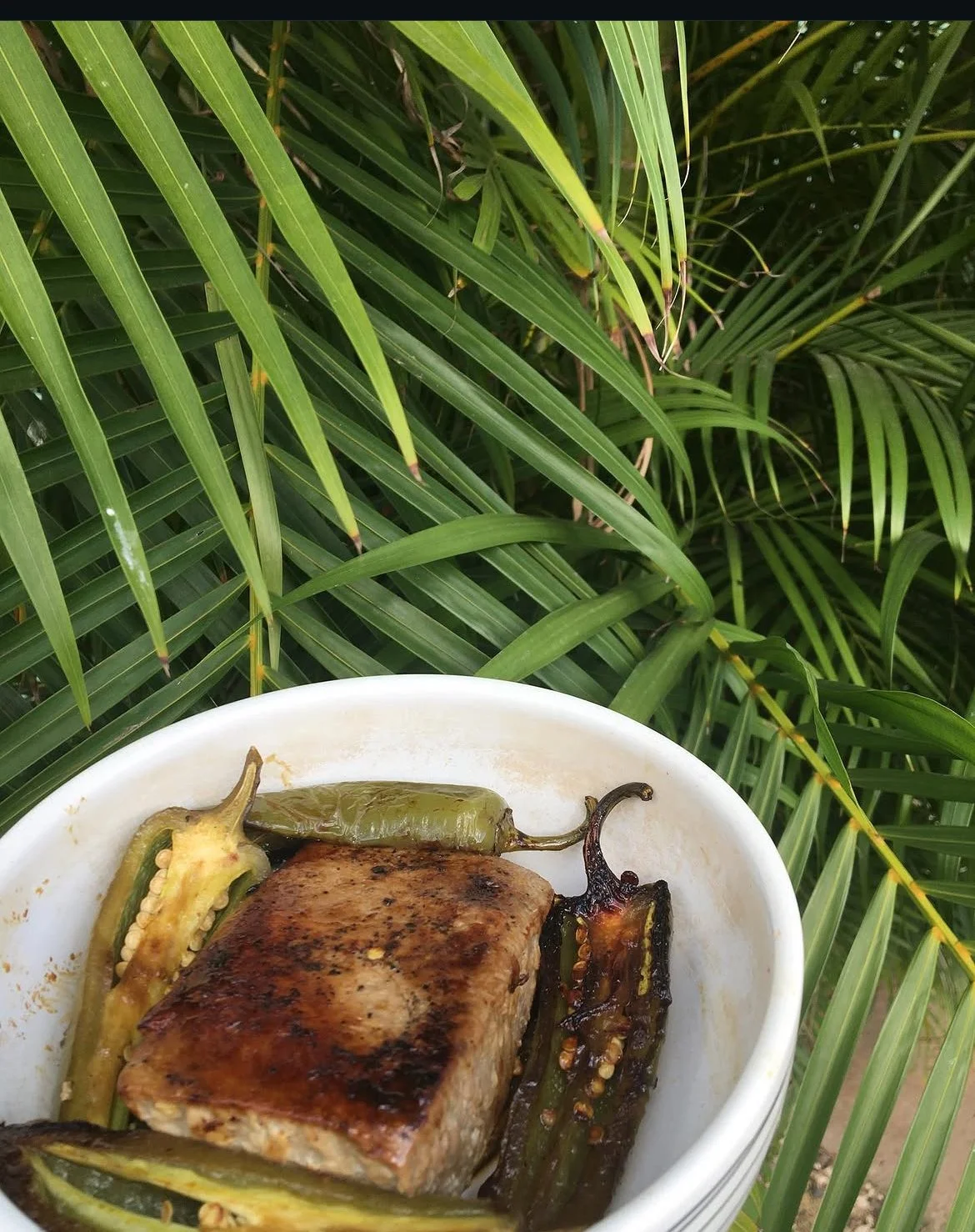
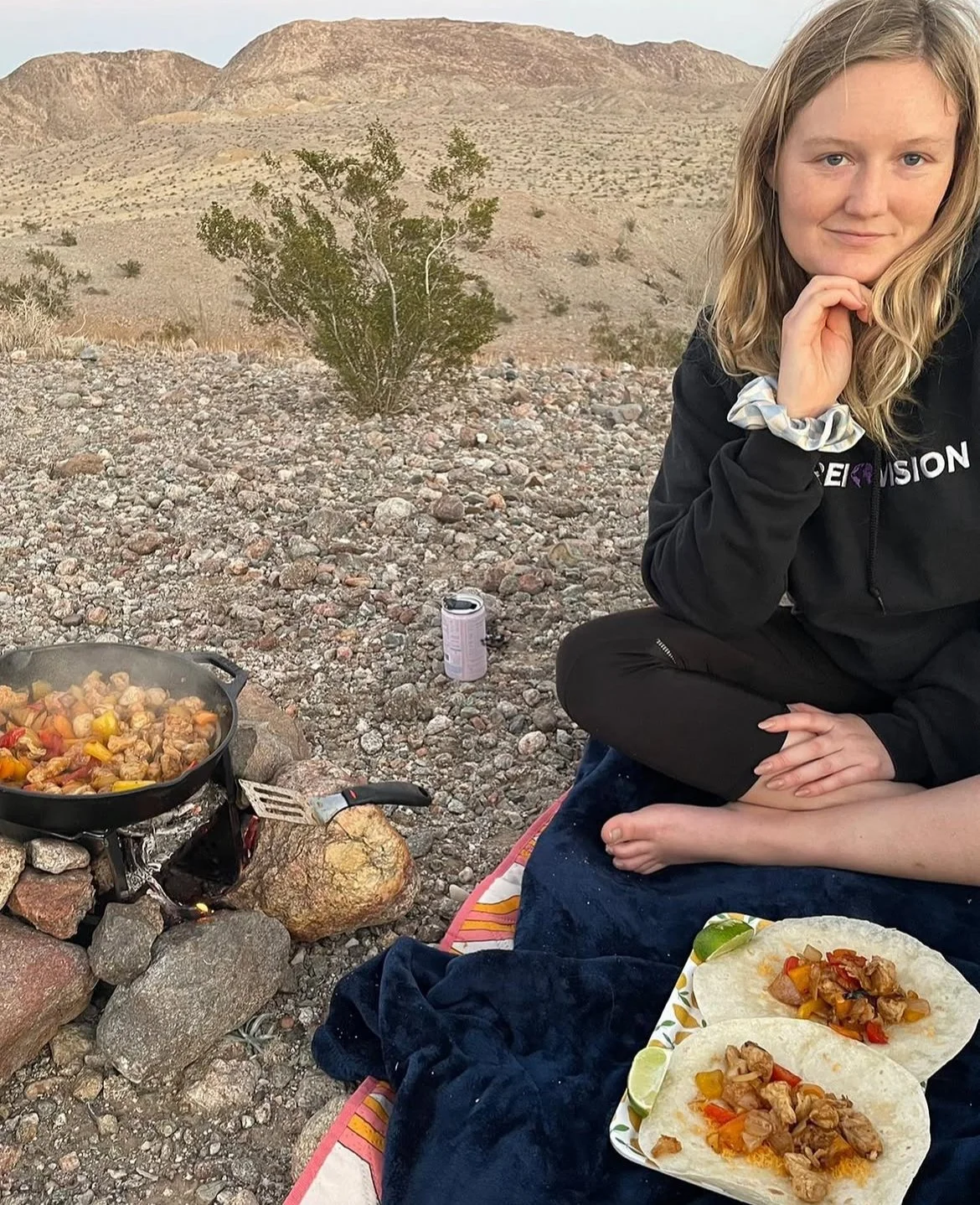
Food has been another area where I’ve figured out what seems to work for me. I don’t eat flour or grains at all, and I basically stick to meat, vegetables, and small amounts of fruit. I’ve found that this way of eating works well for me, particularly when it comes to endurance, how I feel day to day, and my surfing. It’s not something I’m suggesting everyone else should do; it’s simply what I’ve settled into after years of paying attention to how different foods make me feel.
It’s also expensive to eat like that, so I tend to eat less, which has worked out reasonably well as my metabolism has slowed over time. None of this is a prescription for anybody else. It’s just what I’ve learned about myself through trial and error. I’m less interested in finding the perfect diet than I am in figuring out what lets me feel good, stay active, sleep well, and show up for the things I enjoy.
The type of employment you choose also matters when it comes to stress management and surfing. I’ve been working a super stable job that is challenging but relatively low stress, and I try to keep it that way. Part of keeping my job low stress is always showing up and having a rigid standard I must meet each day. For me, that means being clean-shaven, being on time, and completing a standard set of tasks that I do each day as a baseline, then trying to exceed it when possible.
Never letting the day get away from me is impossible, but with enough structure built into my way of living, my way of working reflects that and keeps things low stress. Because I maintain steady employment, I can maintain my vehicles, pay my rent first, and take care of the things that could otherwise become sources of stress. Life is a game of whack-a-mole, and it never hurts to knock down the obvious stressors first if at all possible. Even if you can’t do everything, tackling just one outstanding issue can help get things started.
To keep surfing from becoming one of those sources of stress, I surf when I know I’ll have a good opportunity. When I can’t do that type of surfing, I go running to supplement the lack of waves or opportunity. I also make an effort to stay hydrated and take care of the basics that keep me feeling good. It all circles back to lowering stress and keeping myself surf-ready. The less chaos I have to deal with outside the water, the more energy I have to actually enjoy my time in it.
When you consider the chaos of life, it’s chaotic enough as it is, so why add to it? I’ve learned that what I consume mentally can affect my surfing just as much as what I consume physically. I don’t spend much time on social media, and I try not to fill my head with endless politically charged podcasts or anything overtly negative. All of these things add up. I want to paddle out with my head in the right place instead of carrying the rest of the world around with me.
None of this is a magic trick, and my health regimen has been learned through trial and error. I don’t believe there’s a magic pill that can fix a person, and there’s certainly no one-size-fits-all perfect lifestyle. It’s a personal pursuit, and the disciplines and sacrifices will look different for everyone. What works for me might not work for somebody else, and I’m still figuring out what works for me each day.
The funny thing is that some of the things I do for surfing have very little to do with surfing. Going to work, paying my bills, maintaining my vehicles, getting enough sleep, eating reasonably well, going for a run, staying hydrated, and keeping my head clear aren’t exactly the romantic parts of surfing. But they all contribute to whether I’m ready when the opportunity finally comes.
That’s probably what makes my best surfing different now than it was when I was younger. I used to think my best surfing happened when I had unlimited time, nothing else to worry about, and waves right outside the door. Now I think my best surfing happens when everything comes together just enough for me to be healthy, rested, clear-headed, and in the right place at the right time.
Sometimes the waves are great and I’m too sick to surf them. That’s part of it too. Today, I have to sit this one out. There will be another swell, another tide, another after-work window, another little corner of the ocean that looks better than it has any right to. The goal isn’t to be perfect or to surf every opportunity. It’s to take care of myself well enough that when the good opportunity comes, I can actually enjoy it.
Sometimes the best wave of the day is the one nobody else bothered to look for. Sometimes the biggest advantage you have is simply being prepared when it comes along.
All that really matters is that you keep trying. Keep looking. Keep moving. Keep taking care of yourself. Eventually, if you keep working at it, you’ll probably end up a lot closer to the low-stress, happy surfer you wish you were.